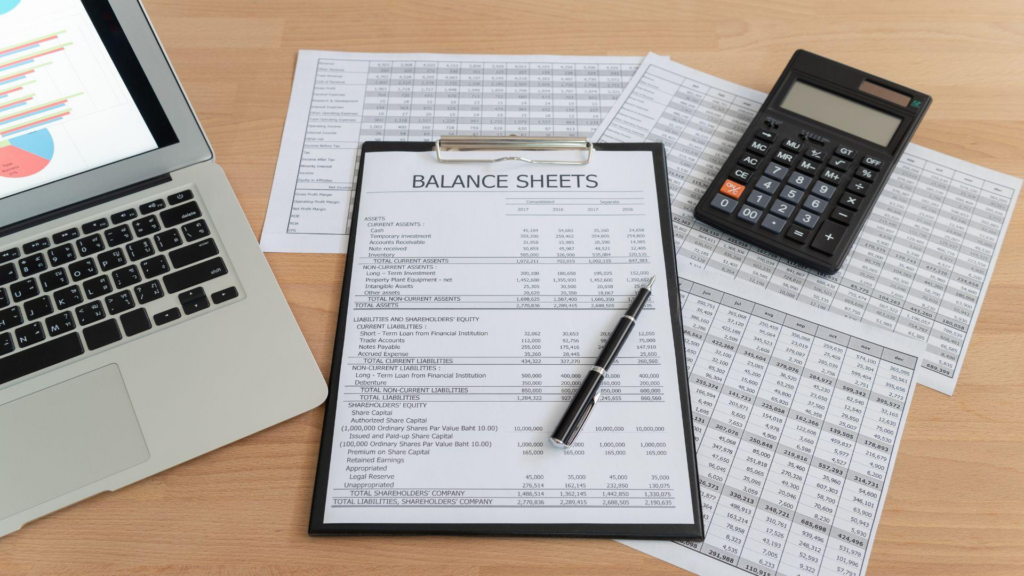
You know how much you sold last month. You might even know your profit margin off the top of your head. But if someone asked what your business actually owns right now, or how much of that belongs to lenders versus you, the answer probably isn’t as clear. A small business balance sheet fills exactly that gap, giving you a structured snapshot of where your business actually stands financially.
Understanding What a Balance Sheet Is
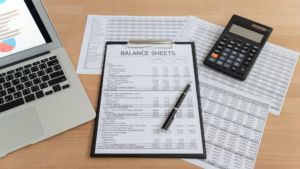
A balance sheet is a financial report that shows your business’s position at one specific point in time, not activity spread across a month or a year, but a single snapshot as of a particular date. This is different from reports that track what happened over a period, and it’s part of why balance sheets are useful alongside other reports rather than as a replacement for them.
The underlying structure follows a simple equation: Assets = Liabilities + Owner’s Equity. In plain terms, what your business owns equals what it owes plus whatever’s left over that belongs to you. This equation always has to balance, which is where the report gets its name.
Why Small Businesses Need a Balance Sheet
This report gives you a structured view of three things: what the business owns, what it owes, and what’s actually left over as your stake in it. That’s genuinely useful when you’re evaluating financial stability, preparing for a conversation with a lender, keeping tabs on outstanding debt, or simply trying to understand how your position has shifted since last quarter.
It’s worth being clear about what a balance sheet doesn’t do, though. On its own, it doesn’t prove your business is healthy, profitable, creditworthy, or financially secure. It’s one piece of a larger picture, useful but incomplete without other information.
Key Components of a Business Balance Sheet
Every balance sheet organizes information into three categories. Assets include things you own that carry value; cash, accounts receivable, inventory, and equipment are common examples, often split between current assets (things you’ll use or convert to cash within a year) and long-term assets.
Liabilities represent what you owe, including accounts payable, credit card balances, and loans, again typically divided into current and long-term obligations. Owner’s equity is what remains once liabilities are subtracted from assets, sometimes including retained earnings built up over time. The exact accounts that show up here depend heavily on your business structure, industry, and how your books are kept, so two businesses rarely look identical.
How Balance Sheets Help Business Owners Make Better Decisions

Reviewing your balance sheet regularly gives you real context before making decisions. Considering a major purchase, planning to pay down debt, weighing a financing option, or thinking about expansion all benefit from knowing exactly where you stand financially before you commit.
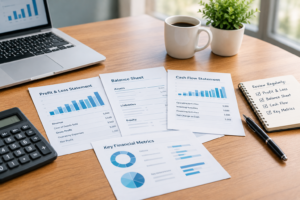
That said, a balance sheet shouldn’t be the only input. Income, expenses, cash flow, and your budget all add context a balance sheet alone can’t provide. Reviewing it alongside your other business financial statements gives you a much more complete view before any major decision.
Common Balance Sheet Mistakes Small Businesses Should Avoid
A handful of errors show up repeatedly. Missing or duplicated transactions throw off totals immediately, as do unreconciled bank and credit card accounts. Incorrectly categorized assets or liabilities, recording loan proceeds as if they were revenue, and failing to separate loan principal from interest all distort the picture in different ways.
Old receivables or payables left unresolved, omitted depreciation where it applies, and mixed personal and business activity are common culprits too. Using outdated account balances or posting owner contributions and withdrawals incorrectly rounds out the list. Not every mistake here leads to penalties or rejected financing, but each one chips away at how much you can actually trust the report.
How to Read and Analyze a Small Business Balance Sheet
Start by checking the reporting date, since everything on the page reflects that single moment. From there, review cash on hand, then move through receivables, inventory if it’s relevant to your business, short-term obligations, long-term debt, and finally equity.
Working capital, calculated as current assets minus current liabilities, gives you a quick sense of short-term financial flexibility. The current ratio is another tool some owners use for general analysis, though there’s no single target that applies universally to every business. Learning to understand balance sheet figures properly means looking at them in context, comparing this period against previous ones, your budget, and other reports tells you far more than any single number in isolation.
Balance Sheet vs Income Statement Understanding the Difference
A balance sheet captures your financial position at a specific date. An income statement, by contrast, reports revenue, expenses, and resulting profit or loss across a defined period, a month, a quarter, or a year. They’re answering different questions.
It’s also worth remembering that profit shown on an income statement doesn’t automatically mean you have that much cash sitting available. Timing differences between earning revenue and actually collecting it create real gaps. Neither report tells the whole story by itself, which is exactly why solid accounting reports for small businesses typically include both, reviewed together rather than in isolation.
How Professional Accounting Services Help Manage Financial Reports
A reliable balance sheet depends on what happens well before the report gets generated: accurate transaction categorization, consistent account reconciliation, appropriate adjusting entries, and steady reporting habits throughout the year. Skip any of these steps and the resulting report reflects that gap.
Rakow & Co. provides bookkeeping services built around fixed monthly packages, using cloud accounting software like QuickBooks and a dedicated accountant assigned to each client. These kinds of small business accounting services support the kind of consistent recordkeeping that a trustworthy balance sheet actually depends on, whether you’re based in New Jersey or working remotely elsewhere in the US.
Using Balance Sheets for Long Term Business Growth
Looking at balance sheets from different points over time reveals patterns that a single snapshot can’t show. Rising debt, shrinking cash reserves, growing receivables, or shifting equity all become visible when you compare periods side by side rather than looking at just one.
This historical view supports better long-term planning and helps flag areas worth a closer look before they become bigger problems. It won’t guarantee growth, profitability, financing approval, or improved cash flow on its own, but it gives you information you’d otherwise be operating without.
Conclusion
A small business balance sheet won’t tell you everything about your business, but it fills in a piece of the picture that’s easy to overlook when you’re focused on daily sales and expenses. Reviewed regularly and alongside your other financial reports, it becomes a genuinely useful tool for understanding where you stand and what’s ahead. If keeping your records accurate enough to trust that picture feels like more than you have time for, reaching out to Rakow & Co. is a straightforward next step.
Frequently Asked Questions
What is a balance sheet for a small business?
It summarizes a business’s assets, liabilities, and owner’s equity as of a particular date.
Why is a balance sheet important for business owners?
It provides visibility into financial position, outstanding obligations, available resources, and how these change over time.
What information does a balance sheet include?
It includes assets like cash and inventory, liabilities like loans and payables, and owner’s equity.
How often should a small business prepare a balance sheet?
Monthly preparation works well for many businesses, though frequency depends on activity level, reporting needs, and financial complexity.
Can an accountant help create and manage a balance sheet?
Yes, an accountant or qualified bookkeeping professional assists with reconciliations, classifications, adjustments, report preparation, and interpretation.